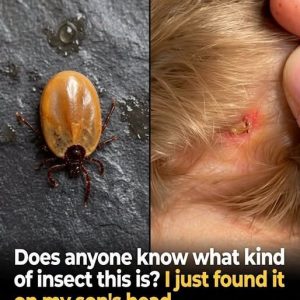
If you discover a tick attached to your child’s skin, remove it promptly using clean, fine-tipped tweezers. Grasp the tick as close to the skin as possible and pull upward with steady, even pressure. Avoid twisting, crushing, or squeezing its body. Never attempt to remove a tick using heat, petroleum jelly, nail polish, or other home remedies. After removal, wash the bite area and your hands thoroughly with soap and water or an appropriate antiseptic.
Over the following days and weeks, watch for symptoms such as fever, headache, unusual tiredness, muscle aches, or an expanding rash. Lyme disease can sometimes cause a spreading rash, but it does not always resemble the familiar bull’s-eye pattern. Other tick-borne illnesses may cause different symptoms, and some do not produce a noticeable rash at all. If your child becomes unwell after a possible tick exposure, contact a healthcare professional and mention the bite.
Parents should also know that testing immediately after a tick bite is not always helpful. Tests for Lyme disease can be negative early in an infection because antibodies may not yet have developed. Depending on the type of tick, the location, and the timing of removal, a clinician may consider preventive antibiotics in certain higher-risk situations. These decisions should be made by a medical professional rather than relying on home treatments or unnecessary testing.
The most important message is to remain informed without becoming frightened. A tick bite does not automatically mean your child will develop a serious illness, and many children experience no complications at all. However, prompt removal, awareness of possible symptoms, and timely medical advice can make a meaningful difference. Seek emergency care if your child develops serious symptoms such as difficulty breathing, confusion, or a severe headache with a stiff neck. Taking sensible precautions during outdoor activities, including protective clothing, suitable repellents, and regular tick checks, can also reduce the likelihood of future bites.
Have you ever found a tick on your child or yourself? Did you know which symptoms to watch for afterward?




This Post Has One Comment